An Ant and a Dove Completing Story For Class 5 to HSC

The story of an ant and a dove completing story is a timeless moral tale often included in school exams across Bangladesh, from primary to SSC level. It teaches essential human values such as kindness, gratitude, and helping others in times of need. This short yet meaningful narrative highlights how even the smallest creature can help someone stronger and how good deeds never go unrewarded. Because of its simplicity and strong moral lesson, this story is frequently asked in English exams as a completing story or paragraph writing task. In this article, we will explore the full story, its moral significance, writing tips, and exam-focused compositions suitable for different class levels.
The Full Story
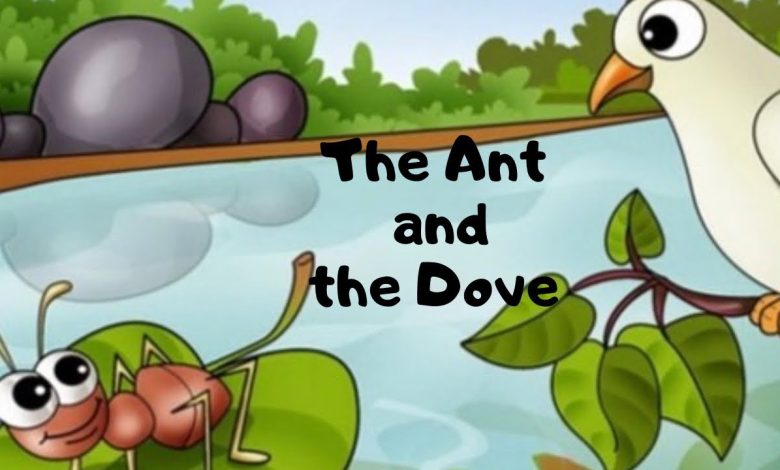
One hot day, an ant was walking near a river in search of water. As it leaned over the edge to drink, it slipped and fell into the river. The current was strong, and the ant struggled to stay afloat.
A dove sitting on a nearby tree noticed the ant’s distress. Feeling compassion, the dove quickly plucked a leaf from the tree and dropped it into the water near the ant. The ant climbed onto the leaf and floated safely to the shore. The ant was deeply grateful to the dove for saving its life.
A few days later, the ant saw a hunter aiming his gun at the same dove. Realizing the danger, the ant quickly bit the hunter’s foot. The sudden pain made the hunter miss his aim, and the dove flew away safely. Thus, the ant repaid the kindness of the dove.
This is how an ant and a dove completing story shows the importance of mutual help and gratitude.
An Ant and A Dove Completing Story For Class 5-6
An ant was very thirsty and went to a river to drink water. Suddenly, it slipped and fell into the river. It tried to save itself but failed. A dove was sitting on a tree nearby. Seeing the ant in danger, the dove dropped a leaf into the water. The ant climbed onto the leaf and reached the shore safely. After a few days, a hunter came to catch the dove. The ant bit the hunter’s foot. The hunter missed his aim, and the dove flew away. Thus, they helped each other and became good friends forever.
An Ant and A Dove Completing Story For Class 7-8
One day, an ant was searching for water near a river. While trying to drink, it fell into the water and started drowning. The current was strong, and the ant was helpless. A dove sitting on a nearby tree saw the ant struggling. Out of kindness, the dove dropped a leaf into the river. The ant climbed onto it and floated to safety. It felt grateful to the dove.
A few days later, a hunter came to the forest and aimed his gun at the dove. The ant noticed this and quickly bit the hunter’s foot. The hunter cried out in pain and missed his aim. The dove realized the danger and flew away. In this way, the ant saved the dove’s life. The story teaches us that kindness is always rewarded.
An Ant and A Dove Completing Story For Class 9 & SSC
Once upon a time, an ant was wandering in search of water on a hot summer day. It reached the bank of a river and leaned forward to drink. Suddenly, it slipped and fell into the water. The current was too strong for the tiny ant, and it began to drown. It struggled desperately but could not find any support.
A dove was sitting on the branch of a tree overlooking the river. It saw the ant in trouble and felt pity for it. The dove quickly plucked a leaf and dropped it into the river near the ant. The ant managed to climb onto the leaf and floated safely to the bank. It thanked the dove for saving its life.
A few days later, a hunter came to the same place and aimed his gun at the dove. The ant noticed the danger and decided to help. It quickly bit the hunter’s foot. The hunter cried out in pain and missed his shot. The dove got alarmed and flew away safely.
Thus, the ant repaid the kindness of the dove. The story teaches us that even the smallest creature can help others and that good deeds are always rewarded.
An Ant and A Dove Completing Story For HSC
Once upon a time, on a hot summer day, an ant was searching for water. After wandering for a long time, it reached the bank of a river. As it leaned forward to drink, it suddenly slipped and fell into the water. The current was quite strong, and the tiny ant began to struggle for its life. It tried its best to stay afloat but soon grew exhausted and helpless.
A dove was sitting on the branch of a nearby tree and noticed the ant’s desperate condition. Moved by compassion, the dove quickly plucked a leaf from the tree and dropped it into the river just beside the struggling ant. The ant managed to climb onto the floating leaf and was carried safely to the shore. It felt deeply grateful to the dove for saving its life.
A few days later, the ant was passing through the same forest when it saw a hunter aiming his gun at the dove. Realizing the danger, the ant acted without delay. It crawled up to the hunter and bit him sharply on the foot. Startled by the sudden pain, the hunter missed his aim, and the dove flew away to safety.
Thus, the ant repaid the kindness of the dove. Indeed, this story teaches us that even the smallest act of kindness never goes in vain and is always rewarded in time.
Conclusion
The lesson from an ant and a dove completing story remains relevant for students of all ages. It is not just a simple tale but a reflection of human values like kindness, gratitude, and mutual support. In academic settings across Bangladesh, mastering this story helps students improve their narrative writing skills and moral understanding. Whether written in 100 or 250 words, the key lies in clarity, structure, and a strong conclusion. By practicing regularly, students can confidently answer such questions in exams and leave a positive impression on examiners.
FAQs
Q1. What is the moral of the story?
A: The moral is “One good turn deserves another,” meaning kindness is always returned.
Q2. Why is this story important for exams?
A: It is commonly asked in Bangladesh exams to test narrative and moral writing skills.
Q3. How many words should I write in exams?
A: It depends on the question, usually 100–250 words for school levels.
Q4. Can I change the wording of the story?
A: Yes, but the main idea and sequence should remain correct.
Q5. What tense should be used?
A: Simple past tense is preferred for storytelling.
Q6. How can I get full marks?
A: Write clearly, maintain sequence, use correct grammar, and include a proper moral.