Victory Day Paragraph in 100, 150, 200, 250 & 300 Words

Victory Day holds a special place in the history and hearts of the people of Bangladesh. Celebrated every year on 16 December, it marks the country’s victory in the Liberation War of 1971 and the end of nine months of armed struggle against Pakistani rule. This historic occasion reminds you of the courage, determination, and sacrifices of the people who fought for an independent Bangladesh. It is a day to honour freedom fighters, remember the martyrs, and celebrate the birth of a sovereign nation.
The significance of this occasion goes beyond national celebrations. It teaches you the value of freedom, unity, patriotism, and human rights. Whether you are preparing a school assignment or an examination answer, a victory day paragraph should explain the historical events, national celebrations, and sacrifices that made 16 December unforgettable.
Victory Day Paragraph 100 Words
Victory Day is one of the most important national days in Bangladesh. It is celebrated every year on 16 December. On this day in 1971, Bangladesh achieved victory after a nine-month Liberation War against Pakistan. Many brave freedom fighters sacrificed their lives to make the country independent. We remember their courage and honour the martyrs with great respect. People celebrate this day by hoisting the national flag, attending cultural programmes, and visiting the National Martyrs’ Memorial at Savar. Schools and colleges organise discussions and competitions. Victory Day reminds us of our glorious history and teaches us to love and respect our country.
Victory Day Paragraph 150 Words
Victory Day is a memorable occasion in the history of Bangladesh. Every year, on 16 December, the entire nation celebrates this day with pride and respect. It marks the victory of Bangladesh in the Liberation War of 1971, which lasted for nine months. During this war, countless brave freedom fighters sacrificed their lives to achieve independence. Ordinary people also suffered greatly and supported the struggle in different ways. On 16 December 1971, the Pakistani Army surrendered to the joint forces of Bangladesh and India at the Racecourse Ground in Dhaka, now known as Suhrawardy Udyan. This event marked the final victory of Bangladesh.
People celebrate Victory Day by hoisting the national flag, singing patriotic songs, and attending cultural programmes. Schools and colleges arrange special events to teach students about the country’s history. Many people visit the National Martyrs’ Memorial to pay tribute to those who gave their lives for freedom. Victory Day reminds every Bangladeshi of the importance of independence, unity, and patriotism.
Victory Day Paragraph 200 Words
Victory Day is one of the most glorious days in the history of Bangladesh. It is observed on 16 December every year to celebrate the country’s victory in the Liberation War of 1971. The people of Bangladesh had experienced years of political, economic, and social discrimination under Pakistani rule. Their demand for equal rights and self-government eventually led to the historic Liberation War.
The war began on 26 March 1971, following the brutal military crackdown by the Pakistani Army on 25 March. For nine months, freedom fighters, known as the Mukti Bahini, fought with courage and determination to free their motherland. Ordinary citizens also supported the struggle by providing food, shelter, information, and other assistance. Thousands of people lost their lives, while millions were forced to leave their homes.
On 16 December 1971, the Pakistani Army surrendered in Dhaka, bringing the war to an end and securing Bangladesh’s victory. Today, people celebrate this historic occasion with national flags, parades, patriotic songs, and cultural programmes. They gather at the National Martyrs’ Memorial in Savar to honour the martyrs. Schools and colleges arrange special events to educate students about the sacrifices behind independence.
Victory Day teaches you to value freedom, respect national history, and contribute to the progress of your country.
Victory Day Paragraph 250 Words
Victory Day is a proud and memorable occasion for the people of Bangladesh. It is celebrated every year on 16 December to commemorate the country’s victory in the Liberation War of 1971. This historic day marks the end of nine months of struggle against Pakistani rule and the establishment of an independent Bangladesh. It reminds every citizen of the sacrifices made by brave freedom fighters and ordinary people to secure the nation’s freedom.
The struggle for independence followed years of political and economic discrimination against the people of East Pakistan. The general election of 1970 created an expectation of democratic leadership, but the transfer of power did not take place. On the night of 25 March 1971, the Pakistani military launched a brutal crackdown on the people of East Pakistan. The Liberation War began, and thousands of brave people joined the freedom struggle. The Mukti Bahini fought with courage and received support from ordinary citizens throughout the country.
After nine months of fighting, the Pakistani Army surrendered on 16 December 1971 at the Racecourse Ground in Dhaka, now known as Suhrawardy Udyan. This event marked the victory of Bangladesh and fulfilled the dream of independence.
Today, Victory Day is celebrated with great enthusiasm throughout the country. People hoist the national flag, attend parades, sing patriotic songs, and participate in cultural programmes. Many visit the National Martyrs’ Memorial at Savar to pay tribute to those who sacrificed their lives. Schools and colleges arrange discussions, drawing competitions, and special events to educate students about the Liberation War.
Victory Day is not just a celebration of a historical achievement. It reminds you to respect the country’s freedom, honour its heroes, and work towards a peaceful and prosperous Bangladesh.
Victory Day Paragraph 300 Words
Victory Day is one of the most significant national occasions in Bangladesh. It is celebrated on 16 December every year to remember the country’s historic victory in the Liberation War of 1971. This day marks the end of nine months of armed struggle against Pakistani rule and the establishment of Bangladesh as an independent country. It carries a powerful message of freedom, courage, sacrifice, and national unity.
The history of Victory Day is closely connected with the long struggle of the people of East Pakistan for political, economic, and cultural rights. After the general election of 1970, the elected representatives of East Pakistan were denied the opportunity to form the government. The situation became worse when the Pakistani military launched Operation Searchlight on the night of 25 March 1971. In response, the people of Bangladesh began an armed struggle for independence. Thousands of freedom fighters joined the Mukti Bahini and fought against the Pakistani Army. Ordinary citizens also helped by providing food, shelter, information, and other support.
The Liberation War continued for nine months. Many freedom fighters, students, farmers, workers, and innocent civilians lost their lives during this difficult period. Millions of people were displaced, and many families suffered greatly. Their sacrifices became an important part of the nation’s history.
On 16 December 1971, the Pakistani Army surrendered to the joint forces of Bangladesh and India at the Racecourse Ground in Dhaka. This historic event brought the war to an end and confirmed Bangladesh’s victory.
Today, people celebrate Victory Day with national pride. The national flag is hoisted across the country, while schools, colleges, and government institutions arrange cultural programmes, discussions, and parades. People also gather at the National Martyrs’ Memorial in Savar to honour those who gave their lives for independence.
Victory Day reminds you that freedom comes with great responsibility. You should respect the country’s history, preserve its values, and contribute to building a peaceful, educated, and developed Bangladesh.
Why Is Victory Day Celebrated on 16 December?
Victory Day is celebrated on 16 December because the Pakistani Army surrendered in Dhaka on this date in 1971, marking the end of the Bangladesh Liberation War. The surrender ceremony took place at the Racecourse Ground, which is now known as Suhrawardy Udyan. Lieutenant General A. A. K. Niazi signed the Instrument of Surrender on behalf of the Pakistani Eastern Command, while Lieutenant General Jagjit Singh Aurora accepted it on behalf of the joint forces of Bangladesh and India.
This historic event ended nine months of armed conflict and established Bangladesh as an independent and sovereign nation. The victory was the result of a long struggle for political rights, freedom, and self-determination. Thousands of freedom fighters and ordinary citizens made enormous sacrifices during the war.
Today, 16 December is observed as a national public holiday in Bangladesh. People remember the historic surrender, honour the martyrs, and express gratitude to those who contributed to the country’s independence.
How Is Victory Day Celebrated in Bangladesh?
Victory Day is celebrated throughout Bangladesh with patriotic feelings and national pride. Government institutions, educational organisations, and local communities arrange special programmes to remember the country’s historic achievement. The celebrations combine official ceremonies with activities that allow people to express their respect for the nation.
Some common ways of celebrating this occasion include:
- Hoisting the national flag: Government offices, schools, colleges, and homes display the red and green national flag as a mark of respect for the country’s independence.
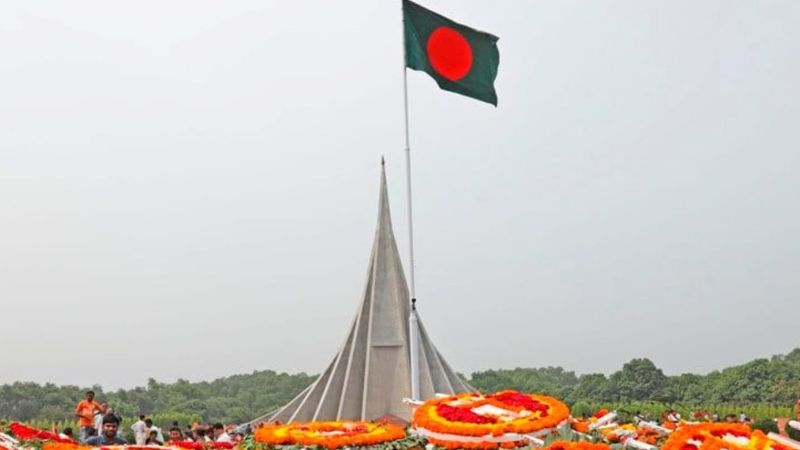
- Paying tribute to martyrs: People visit the National Martyrs’ Memorial at Savar and place floral wreaths in memory of those who sacrificed their lives during the Liberation War.
- Organising military parades: Official ceremonies and military programmes are held to commemorate the historic victory.
- Arranging cultural programmes: Schools and colleges organise patriotic songs, dance performances, poetry recitations, drawing competitions, and discussions about the Liberation War.
- Remembering freedom fighters: People honour the bravery and contributions of those who fought for independence and acknowledge the suffering of their families.
- Broadcasting special programmes: Television and radio channels present documentaries, historical discussions, patriotic songs, and programmes about the events of 1971.
The National Martyrs’ Memorial in Savar becomes an important gathering place on this occasion. People from different parts of the country visit the memorial to pay their respects and renew their commitment to the nation.
These activities help preserve the memory of the Liberation War and pass the values of independence to younger generations.
Importance of Victory Day for Students
Victory Day has great educational and historical importance for students. It gives you an opportunity to learn about the struggles that led to Bangladesh’s independence. By studying the Liberation War of 1971, you can understand why freedom, justice, equal rights, and democracy matter in a society.
The occasion also teaches important values such as courage, unity, patriotism, and sacrifice. Students learn about the contributions of freedom fighters and the suffering of ordinary people during the war. Reading historical accounts, visiting memorials, and participating in school programmes can help you understand the events that shaped the country.
Victory Day also reminds students that loving their country means more than celebrating national occasions. You should respect others, receive a proper education, follow your responsibilities, and contribute positively to society. The younger generation has an important role in preserving the history of Bangladesh and building a better future for the nation.
Schools can make this learning meaningful by organising essay-writing competitions, debates, discussions, art activities, and documentary screenings. Such activities help students connect historical events with the values they practise in everyday life.
Wrapping Up
Victory Day is a reminder of the courage, sacrifice, and determination that helped Bangladesh achieve independence in 1971. The significance of 16 December goes beyond national celebrations because it represents the struggles and dreams of countless people who fought for their country’s freedom. Their contributions deserve respect not only on this special occasion but throughout the year. As a student and responsible citizen, you should understand this history, honour the freedom fighters, and contribute to a better future for your country. A meaningful victory day paragraph should reflect the historical importance of this occasion while conveying the values of patriotism, unity, and responsibility to every new generation.
Frequently Asked Questions (FAQs)
Q1. When is Victory Day celebrated in Bangladesh?
Victory Day is celebrated every year on 16 December. It commemorates Bangladesh’s victory in the Liberation War of 1971 and the surrender of the Pakistani Army.
Q2. Why is 16 December important in Bangladesh?
On 16 December 1971, the Pakistani Army surrendered in Dhaka, marking the end of the nine-month Liberation War and the victory of Bangladesh.
Q3. What happened on 16 December 1971?
The Pakistani Eastern Command signed the Instrument of Surrender at the Racecourse Ground in Dhaka. Lieutenant General A. A. K. Niazi signed the document, and Lieutenant General Jagjit Singh Aurora accepted it on behalf of the joint forces.
Q4. How many months did the Bangladesh Liberation War last?
The Bangladesh Liberation War lasted for nine months, from 26 March to 16 December 1971.
Q5. Where did the Pakistani Army surrender in 1971?
The Pakistani Army surrendered at the Racecourse Ground in Dhaka, which is now known as Suhrawardy Udyan.


