Earthquake Paragraph for Classes 5, 6, 7, 8, 9 and 10

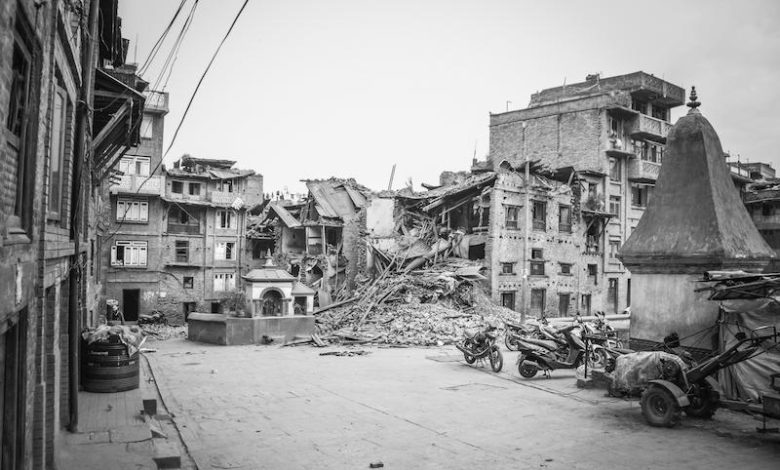
An earthquake is a natural disaster that causes the ground to shake suddenly. It occurs mainly because of movements in the Earth’s crust. Some earthquakes are mild, while others can cause serious damage to buildings, roads, bridges and human lives. They can also trigger landslides and tsunamis in certain areas. Understanding the causes and effects of earthquakes is important because it helps you learn how to stay safe during such emergencies. This earthquake paragraph guide covers different word counts, class-wise compositions, major causes, effects and safety measures to help students understand the topic.
Earthquake Paragraph for Class 5
An earthquake is a natural disaster that makes the ground shake suddenly. It happens when large pieces of the Earth’s crust move beneath the surface. Sometimes, an earthquake is weak, but a strong one can damage houses, roads and buildings.
During an earthquake, people may feel the ground moving, and objects inside their homes may fall. It can also cause injuries and damage to property. People living in areas where earthquakes are common should know basic safety rules.
If an earthquake happens, you should stay calm and take shelter under a strong table. Stay away from windows and glass objects. Never use a lift during an earthquake.
We cannot stop earthquakes from happening, but we can prepare for them. Everyone should learn safety measures to protect themselves and others.
Earthquake Paragraph for Class 6
An earthquake is the sudden shaking of the Earth’s surface. It usually occurs due to movements of rocks beneath the ground. The Earth’s outer layer is divided into large pieces called tectonic plates. These plates move slowly, and sometimes their movement causes the ground to shake.
Earthquakes can be weak or powerful. Small earthquakes may not cause much damage, but strong ones can destroy houses, schools, roads and bridges. They can also cause landslides and fires. People living in earthquake-prone areas face a greater risk of damage.
Science has helped us understand why earthquakes occur and how to reduce their effects. Buildings can be designed to withstand shaking, and emergency services can help people after a disaster.
During an earthquake, you should drop to the ground, take cover under a sturdy table and hold on. You should also stay away from windows and heavy objects.
Earthquakes cannot be prevented, but proper preparation and awareness can save many lives.
Earthquake Paragraph for Class 7
An earthquake is a natural disaster caused by the sudden movement of rocks beneath the Earth’s surface. Most earthquakes occur due to the movement of tectonic plates. These plates form the outer layer of the Earth and move slowly over time. When pressure builds up along a geological fault, the rocks may suddenly slip and release energy. This energy travels through the ground as seismic waves.
Earthquakes can cause serious damage to human life and property. Strong shaking may destroy buildings, roads, bridges and railway lines. It can also cause landslides, fires and tsunamis in coastal areas. People may lose their homes, and essential services such as electricity, water and communication may stop working.
Earthquakes are common in several parts of the world, especially near tectonic plate boundaries. Although we cannot prevent them, we can reduce the damage through proper planning. Buildings should follow safety standards, and people should know what to do during an emergency.
During an earthquake, you should follow the drop, cover and hold on method. Stay away from windows and do not use lifts. Awareness and preparation are important for protecting lives.
Earthquake Paragraph for Class 8
An earthquake is the sudden shaking of the Earth’s surface due to the movement of rocks beneath the ground. It mainly occurs when tectonic plates move against each other or slip along geological faults. The energy released during this movement travels through the Earth in the form of seismic waves. These waves cause the ground to shake.
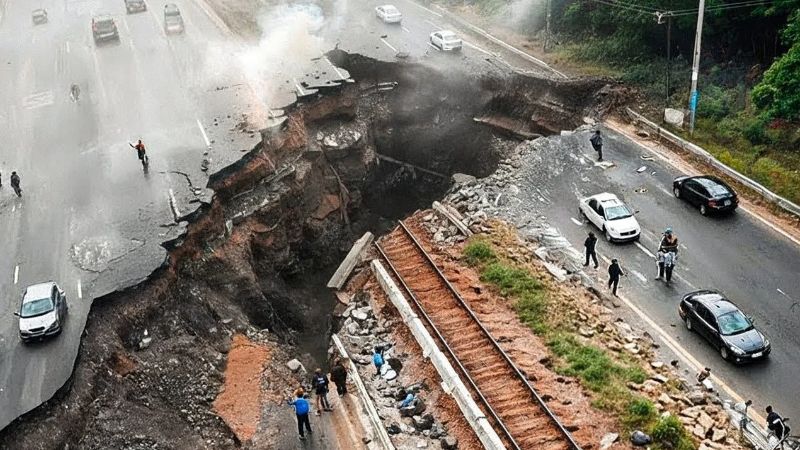
Earthquakes vary in strength. Some are so weak that people hardly notice them, while others can cause widespread destruction. Powerful earthquakes can damage houses, schools, hospitals, roads and bridges. They may also trigger landslides, fires and tsunamis. The damage can be severe in densely populated areas where buildings are not designed to withstand strong shaking.
Earthquakes affect more than buildings and infrastructure. They can cause injuries, deaths, homelessness and financial losses. They may also interrupt electricity, water supplies, transportation and communication services. Rescue teams and emergency workers often face difficult conditions while helping affected communities.
Although earthquakes cannot be prevented, their effects can be reduced through disaster preparedness. Governments should enforce building safety rules, while people should keep emergency supplies at home. During an earthquake, the safest action indoors is to drop, cover and hold on. After the shaking stops, people should move carefully and follow official instructions.
Understanding earthquake causes, effects and safety measures helps communities prepare for future emergencies.
Earthquake Paragraph for Class 9
An earthquake is a geological event that occurs when energy stored within the Earth’s crust is suddenly released, causing the ground to shake. Most earthquakes happen due to the movement of tectonic plates. These plates are constantly moving, but friction can prevent them from sliding smoothly. As pressure builds along geological faults, rocks may suddenly break or slip, releasing energy in the form of seismic waves.
Earthquakes are among the most destructive natural disasters. Their effects depend on factors such as magnitude, depth, distance from populated areas and the strength of local buildings. A powerful earthquake can destroy houses, schools, hospitals, bridges and roads. It may also cause landslides, fires and tsunamis. In some cases, entire communities lose access to clean water, electricity and medical services.
Earthquakes also have serious economic and social effects. Families may become homeless, businesses may suffer losses and children may be unable to attend school. Emergency workers often have to rescue people trapped under damaged structures and provide food, water and medical assistance.
Although scientists study seismic activity to understand earthquakes, they cannot predict the exact time and location of an individual earthquake. Therefore, earthquake preparedness is extremely important. Buildings should follow proper construction standards, and people should know emergency procedures. During an earthquake, everyone should drop, cover and hold on until the shaking stops.
Public awareness, scientific knowledge and proper disaster management can help reduce earthquake damage and protect human lives.
Earthquake Paragraph for Class 10
An earthquake is a sudden movement of the Earth’s surface caused by the release of energy within the Earth’s crust. Most earthquakes occur because of the movement of tectonic plates. The Earth’s outer layer consists of several large and small plates that move slowly over time. Sometimes, these plates get stuck along geological faults due to friction. Pressure continues to build until the rocks suddenly slip, releasing energy that travels through the ground as seismic waves.
Earthquakes can occur anywhere, but they are more common in regions near tectonic plate boundaries. Their intensity and effects depend on several factors, including the magnitude of the earthquake, its depth, the distance from populated areas and the quality of buildings. Strong earthquakes can destroy homes, schools, hospitals, roads and bridges. They may also trigger secondary disasters such as landslides, fires, soil liquefaction and tsunamis.
The consequences of earthquakes are not limited to physical destruction. They can cause loss of human lives, injuries, homelessness and major economic difficulties. Damage to electricity, transport, water supplies and communication networks can make rescue operations more challenging. Poor communities are often more vulnerable because they may lack safe buildings and emergency resources.
Although earthquakes cannot be prevented, their effects can be reduced through scientific research, proper construction and disaster management. Engineers should follow earthquake-resistant building standards, particularly in high-risk regions. Governments should organise emergency response programmes, and schools should conduct safety drills to prepare students.
During an earthquake, people should drop, cover and hold on. After the shaking stops, they should avoid damaged buildings, watch for aftershocks and follow instructions from local authorities.
In conclusion, earthquakes are powerful natural events that can cause serious destruction. Scientific knowledge, public awareness and proper preparation are essential for reducing their impact on society.
Causes of Earthquakes
Earthquakes occur due to movements beneath the Earth’s surface. The main causes include tectonic plate movements, volcanic activity and certain human activities.
- Movement of Tectonic Plates: The Earth’s crust consists of large sections called tectonic plates. When these plates collide, separate or slide past each other, they can cause earthquakes.
- Geological Faults: A fault is a crack in the Earth’s crust. When rocks suddenly move along a fault, they release energy that causes the ground to shake.
- Volcanic Activity: The movement of magma beneath the Earth’s surface can create pressure and trigger earthquakes, especially near active volcanoes.
- Human Activities: Mining, filling large reservoirs and some underground industrial activities can trigger earthquakes by changing pressure within the Earth’s crust.
Effects of Earthquakes
Earthquakes can damage buildings, affect human lives and disturb the natural environment. Their effects depend on their strength and location.
1. Loss of Human Lives: Strong earthquakes can cause buildings to collapse, leading to injuries and deaths.
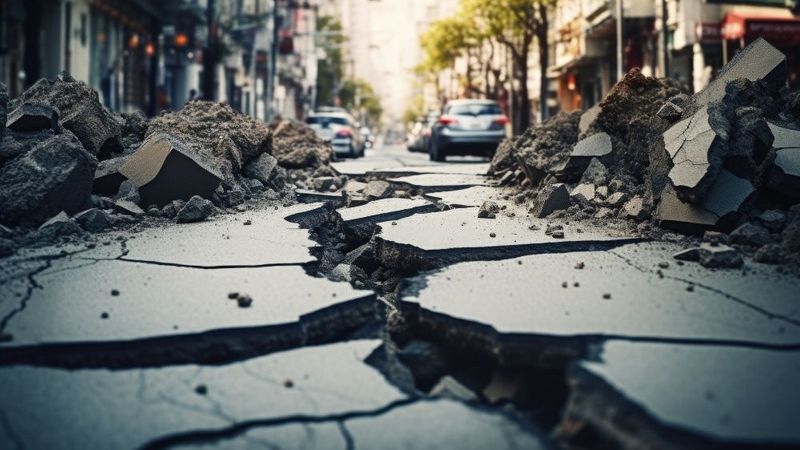
2. Damage to Buildings and Roads: Ground shaking can destroy houses, schools, bridges and roads, making travel difficult.
3. Landslides and Tsunamis: Earthquakes can trigger landslides in hilly areas and tsunamis when strong undersea earthquakes disturb the seabed.
4. Economic Losses: People may lose their homes, businesses and property. Governments also spend large amounts on rescue and rebuilding work.
5. Environmental Damage: Earthquakes can cause ground cracks, soil liquefaction and damage to forests and natural habitats.
6. Disruption of Essential Services: Electricity, water supply, hospitals and communication networks may stop working after a major earthquake.
Safety Measures During an Earthquake
Following basic safety measures can reduce injuries and help protect lives during an earthquake.
- Keep an Emergency Kit: Store drinking water, food, medicines, a flashlight and a first-aid kit for emergencies.
- Follow Drop, Cover and Hold On: Drop to your hands and knees, take cover under a sturdy table and hold on until the shaking stops.
- Stay Away from Windows: Keep away from glass, windows and heavy objects that may fall.
- Avoid Elevators: Never use elevators during an earthquake. Leave the building only when the shaking stops and it is safe.
- Find a Safe Outdoor Space: If you are outside, stay away from buildings, trees, streetlights and power lines.
- Take Precautions Afterwards: Check for injuries, watch for aftershocks, avoid damaged buildings and follow official safety instructions.
Wrapping Up
Earthquakes are natural disasters that can cause serious damage to human lives, buildings and the environment. Understanding their causes, effects and safety measures is important for everyone. This earthquake paragraph explains how earthquakes occur, why they are dangerous and what you can do to protect yourself during an emergency. Although we cannot prevent earthquakes, we can reduce their impact through proper planning, safe construction and public awareness. Learning basic earthquake safety rules can help you make better decisions and protect yourself and others when disaster strikes.
Frequently Asked Questions (FAQs)
Q1. What is an earthquake in simple words?
An earthquake is the sudden shaking of the Earth’s surface caused by the movement of rocks beneath the ground. It usually happens when tectonic plates move or slip along geological faults.
Q2. What are the main causes of earthquakes?
The main causes include tectonic plate movements, sudden slipping along geological faults and volcanic activity. Some human activities, such as mining and filling large reservoirs, can also trigger earthquakes.
Q3. What are the five effects of an earthquake?
Five major effects of earthquakes are:
- Loss of human lives and injuries.
- Damage to buildings, roads and bridges.
- Landslides and tsunamis.
- Economic losses and property damage.
- Disruption of electricity, water and communication services.
Q4. How can we stay safe during an earthquake?
Follow the drop, cover and hold on method. Stay away from windows and heavy objects, avoid elevators and protect your head and neck. If you are outdoors, move away from buildings and power lines.
Q5. Can earthquakes be predicted?
Scientists cannot currently predict the exact time, location and magnitude of an individual earthquake. However, they can identify earthquake-prone areas and study seismic activity to understand potential risks.
Q6. What should you do after an earthquake?
Check for injuries, help others if it is safe, avoid damaged buildings and watch for aftershocks. Follow official instructions and do not return to unsafe areas until authorities say it is safe.