21 February Paragraph in 100, 150, 200, 250 and 300 Words

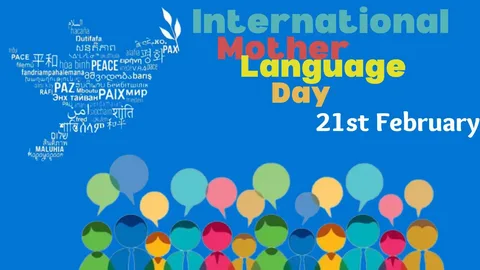
21 February is celebrated as International Mother Language Day, a day that honors the courage of students and activists who sacrificed their lives for the recognition of their mother tongue. This day highlights the importance of language in preserving culture, identity, and heritage. Writing a 21 February paragraph allows students and readers to express the historical significance, emotional impact, and cultural value of this day. From memorial ceremonies to school programs, the day reminds us that every language matters. Observing 21 February teaches respect for linguistic diversity and encourages the younger generation to appreciate and protect their native languages.
Why Is 21 February Important?
21 February is important because it highlights the value of mother language and the identity it carries. Language is not just a tool for communication; it reflects culture, heritage, and personal expression. Observing this day teaches respect for linguistic diversity and reminds you that preserving your mother tongue is essential for maintaining cultural roots.
For students, writing a 21 February paragraph helps express awareness of history, human rights, and cultural pride. It also emphasizes the global significance of languages, encouraging people to appreciate and protect languages beyond their own community.
The day is also a reminder that losing a language means losing a unique perspective of culture and knowledge. Celebrating 21 February fosters respect, understanding, and unity among people from different linguistic backgrounds.
21 February Paragraph 150 Words
21 February, or International Mother Language Day, is a significant day that commemorates the students who lost their lives in 1952 while protesting for the recognition of Bengali as a state language. Their bravery highlighted the importance of preserving mother tongues and maintaining cultural identity. The day is observed with memorial ceremonies, cultural events, and gatherings to honor their sacrifices. It serves as a reminder that language is more than words; it reflects culture, history, and personal identity. Observing 21 February encourages people to respect linguistic diversity, value native languages, and understand the role language plays in shaping communities. The day also emphasizes that losing a language means losing a part of cultural heritage, making the preservation of mother tongues an important responsibility. 21 February inspires reflection on history, identity, and the enduring value of language across generations.
21 February Paragraph 200 Words
International Mother Language Day, observed on 21 February, honors the courage and sacrifice of those who fought for the recognition of Bengali as a state language in 1952. Peaceful protesters were met with police firing, and several students lost their lives, becoming martyrs for the cause of linguistic rights. Their struggle symbolizes the deep connection between language and cultural identity. The day is marked with memorial visits, cultural programs, and ceremonies that celebrate the spirit of the martyrs and the importance of language in society. Observing 21 February highlights the value of linguistic diversity and encourages the protection and promotion of all mother tongues. It is a reminder that language is a critical part of cultural heritage, education, and social cohesion. Every language carries unique knowledge, traditions, and identity, and the loss of a language represents a loss to humanity. 21 February also draws attention to the need for global awareness of linguistic rights and the importance of preserving native languages to maintain cultural continuity and respect for history.
21 February Paragraph 250 Words
21 February, internationally recognized as International Mother Language Day, holds deep significance for Bangladesh and communities worldwide. The day commemorates the students who gave their lives in 1952 while protesting for the recognition of Bengali as a state language. Their sacrifice marked a historic turning point in the fight for linguistic rights and highlighted the role of mother language in preserving cultural identity. On this day, memorial ceremonies are held at the Shaheed Minar, accompanied by cultural programs, speeches, and reflections on the importance of language. Observing 21 February emphasizes the preservation of mother tongues and the value of linguistic diversity. It reminds people that every language represents a unique cultural heritage and contributes to social cohesion. The day also draws attention to the global importance of protecting languages that are at risk of disappearing. It symbolizes the enduring connection between language, history, and identity. By commemorating the martyrs and their struggle, 21 February reinforces the significance of language as a foundation for education, culture, and human rights. Every year, this day encourages reflection on how language shapes society, strengthens community identity, and preserves traditions for future generations. It is a reminder that the protection of language ensures the survival of culture and the memory of those who fought to safeguard it.

21 February Paragraph 300 Words
International Mother Language Day, observed on 21 February, is a day to honor the martyrs who sacrificed their lives for the recognition of the Bengali language in 1952. At that time, the government declared Urdu as the only state language of Pakistan, which led to protests demanding recognition for Bengali. On 21 February, several students were shot while peacefully demonstrating, and their courage became a symbol of the struggle for linguistic rights and cultural identity. UNESCO officially recognized the day in 1999, promoting the protection of languages worldwide and highlighting the importance of linguistic diversity. Each year, memorials, cultural programs, and reflection ceremonies are held to remember the martyrs and celebrate the significance of mother language. Observing 21 February demonstrates that language is not merely a means of communication but also a repository of culture, history, and identity. It underscores that losing a language is losing part of humanity’s heritage. The day also emphasizes the importance of preserving native languages for future generations, maintaining traditions, and strengthening social and cultural ties within communities. By reflecting on the events of 1952, 21 February reminds us of the courage of those who fought for linguistic rights and encourages respect for all languages. It highlights how language influences education, culture, and human development, reinforcing the idea that preserving mother languages is essential for sustaining cultural continuity. This day continues to inspire awareness of language preservation and ensures that the lessons and sacrifices of the past are never forgotten.
Conclusion
21 February is a day to remember the courage and sacrifice of those who fought for the recognition of the Bengali language. Observed as International Mother Language Day, it highlights the importance of preserving mother tongues and respecting linguistic diversity worldwide. The day is a reminder that language is not just a way of speaking but a reflection of culture, heritage, and identity. Writing a 21 February paragraph helps capture the historical significance, emotional value, and cultural impact of this day. Celebrating 21 February encourages awareness, pride, and respect for all languages, ensuring their survival for future generations.
Frequently Asked Questions (FAQs)
Q1. What is 21 February?
21 February is celebrated as International Mother Language Day. It honors the students who sacrificed their lives for the recognition of Bengali.
Q2. Why is 21 February significant in Bangladesh?
It marks the Language Movement of 1952, where students protested for Bengali as a state language. Many lost their lives, making it a symbol of courage and culture.
Q3. Who declared 21 February as International Mother Language Day?
UNESCO officially declared 21 February as International Mother Language Day in 1999. It promotes the preservation of all languages worldwide.
Q4. How is 21 February observed?
The day is observed with memorials, cultural programs, and educational activities. In Bangladesh, people visit the Shaheed Minar to honor the martyrs.
Q5. Why is it important to preserve mother languages?
Mother languages carry culture, history, and identity. Preserving them ensures traditions and knowledge are passed on to future generations.


